Adopting a dog is exciting, and it is also a big decision. The right dog can bring so much love, companionship, and joy into your life. At the same time, every dog has different needs, so it is important to choose a dog who fits your home, routine, and lifestyle.
Before you adopt, think beyond how cute a dog is. Their age, energy level, size, personality, training needs, and comfort with your daily routine all matter.
Here is how to adopt the right dog for you and give your future pet the best chance at a happy, comfortable home.
Start with your lifestyle
Before looking at adoptable dogs, think honestly about your day-to-day life.
Ask yourself:
- How much time am I home?
- How often can I walk or exercise a dog?
- Do I work long hours?
- Do I travel often?
- Do I have children or other pets?
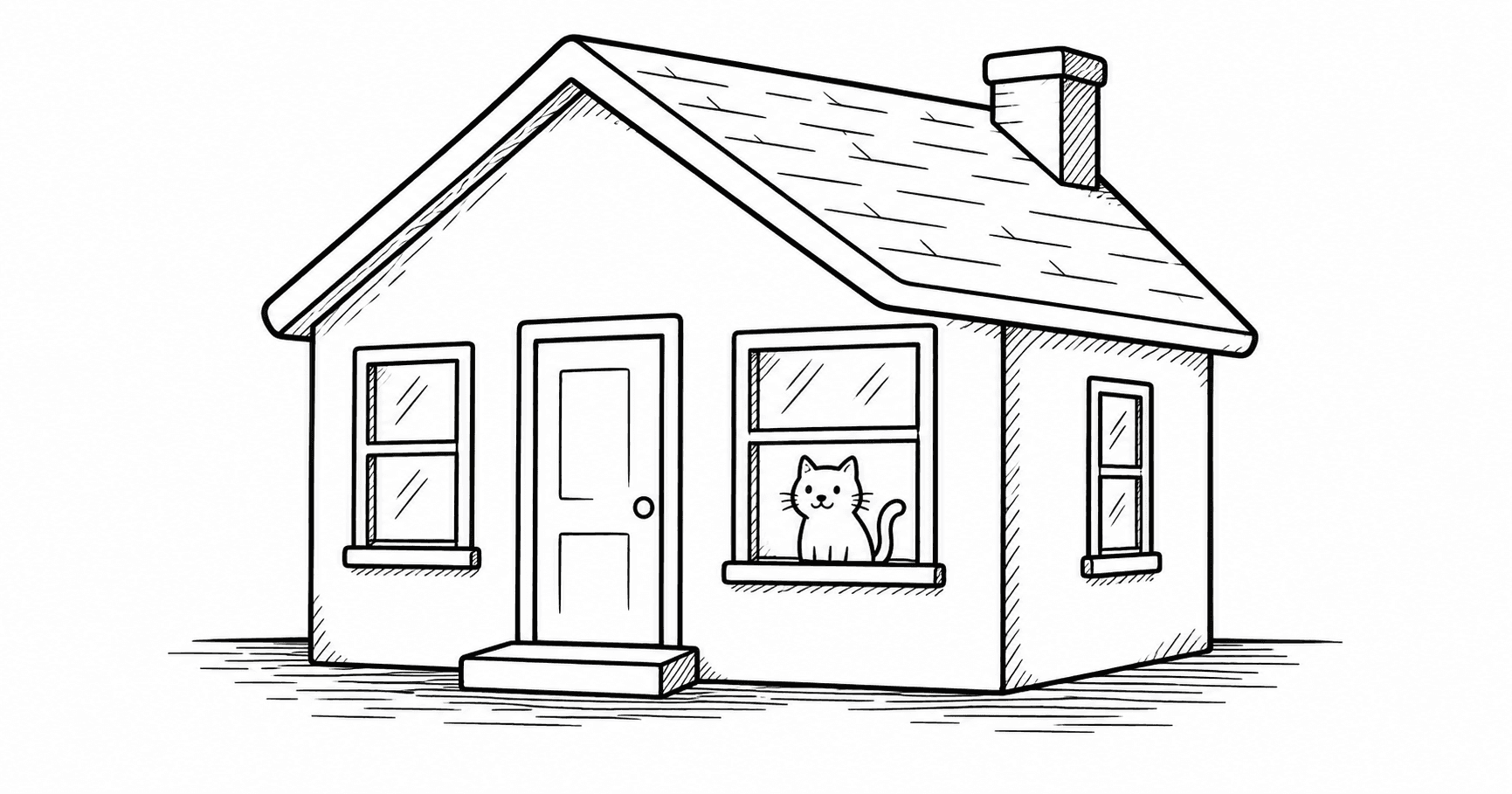
- Do I live in a house, condo, or apartment?
- Am I prepared for training, vet care, grooming, and daily routines?
A dog’s needs should fit into your real life, not the version of your life you hope to have one day.
For example, if you work long hours outside the home, a young high-energy puppy may be harder to manage. If you live in a smaller space, do not rule out larger dogs automatically. Size matters less than energy level, temperament, noise level, and how easily the dog settles indoors. Some large dogs are calm and apartment-friendly, while some small dogs need constant activity and stimulation. What matters most is whether you can provide regular walks, bathroom breaks, enrichment, and a routine that helps the dog feel comfortable in your space.
The best match is not always the easiest dog. It is the dog whose needs you can realistically meet.
Think about energy level
Energy level is one of the most important things to consider when adopting a dog.
Some dogs need long walks, playtime, training games, and lots of activity. Others are happier with slower walks, cozy naps, and a calmer routine.
When a dog’s energy level does not match your lifestyle, it can lead to stress for both you and the dog. A high-energy dog who does not get enough exercise may become restless, bark more, chew things, or struggle to settle. A lower-energy dog may feel overwhelmed in a very busy or active home.
When speaking with a rescue, shelter, or foster parent, ask about the dog’s daily energy level, not just their breed.
Helpful questions include:
- How much exercise does this dog need each day?
- Are they calm indoors?
- Do they enjoy long walks or prefer shorter outings?
- Do they need a lot of mental stimulation?
- How do they behave after exercise?
- What does a good day look like for this dog?
Consider the dog’s age
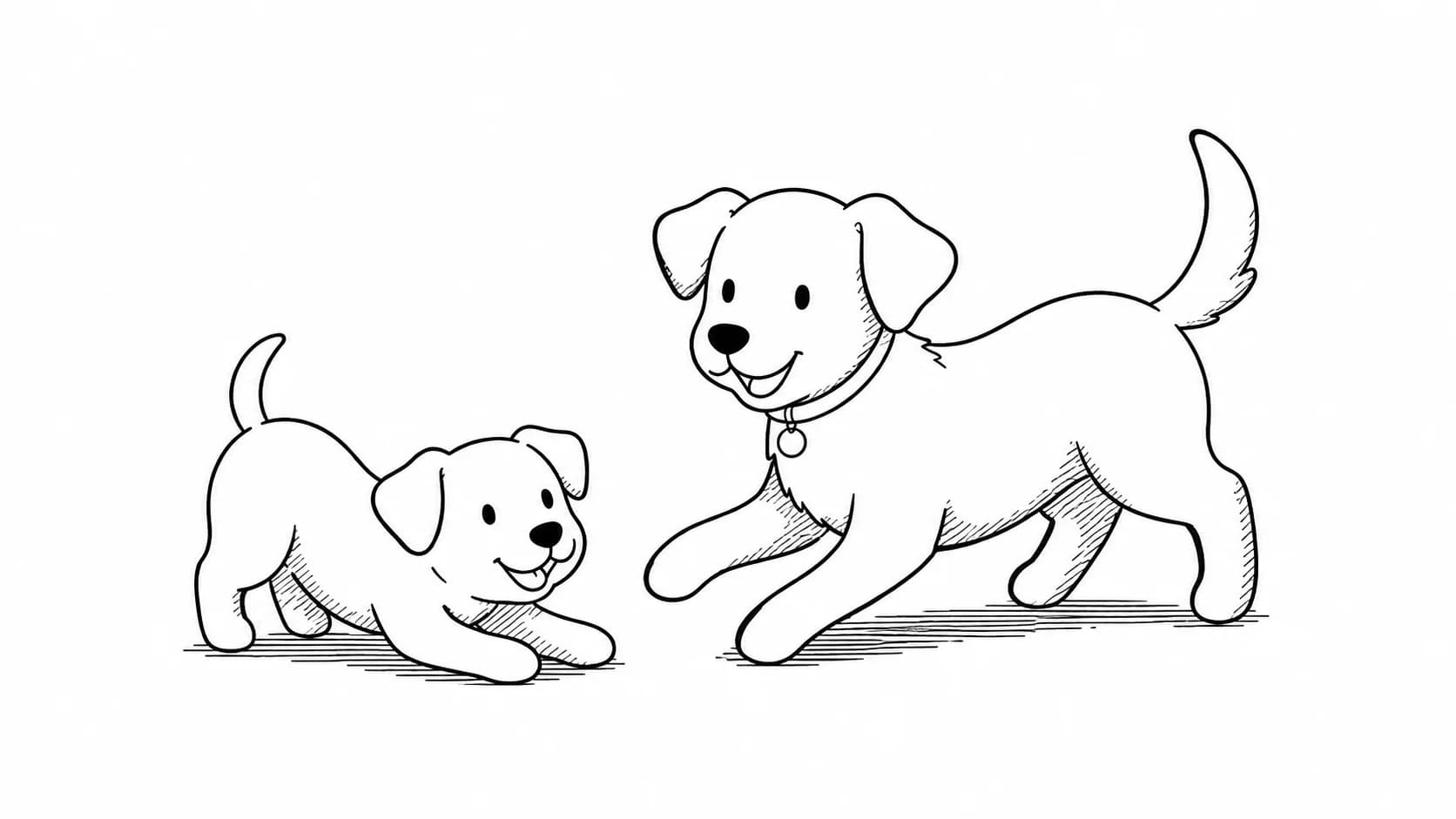
Puppies, adult dogs, and senior dogs can all make wonderful companions, although they come with different needs.
Puppies
Puppies are adorable, and they also require a lot of time, patience, and consistency. They need help with house training, chewing, socialization, sleep routines, and basic training.
A puppy may be a good fit if you have the time, energy, and schedule to guide them through their early development. Puppies usually need more frequent bathroom breaks, supervision, and training than many people expect.
Adult dogs
Adult dogs may already have some training and a more settled personality. You may have a clearer sense of their energy level, behaviour, and routine.
An adult dog can be a great option for someone who wants a companion but may not want the intensity of raising a puppy.
Senior dogs
Senior dogs are often calm, loving, and grateful for a comfortable home. They may need slower walks, softer bedding, and more regular vet care, yet they can be incredibly rewarding companions.
A senior dog may be a beautiful fit if you want a gentler pace and are prepared for their health and comfort needs.
Look beyond breed
Breed can give you some clues about a dog’s general tendencies, although it does not tell the full story.
Every dog is an individual. Their personality, past experiences, training, socialization, health, and environment all shape who they are.
Instead of choosing based only on breed, focus on the actual dog in front of you.
Ask about:
- Personality
- Energy level
- Comfort with people
- Comfort with other animals
- Separation anxiety
- Training history
- Behaviour on walks
- Grooming needs
- Medical history
A dog’s temperament and needs are usually more important than breed alone.
Be honest about your experience level
Some dogs are better suited for experienced pet parents. Others may be easier for first-time adopters.
If you are new to dog ownership, you may want a dog who is more settled, social, and comfortable with basic routines. If you have more experience, you may feel prepared to adopt a dog who needs extra training, confidence-building, or behaviour support.
Knowing your limits is not a bad thing. It helps you choose a dog you can properly support.
A shy, reactive, fearful, or under-socialized dog can still be a wonderful pet. They may simply need more patience, structure, training, and support than a first-time pet parent is ready for.
Think about your home environment
Your home setup matters when adopting a dog.
If you live in a condo or apartment, think about more than square footage. Consider elevators, stairs, hallway noise, neighbours, nearby green space, and how often you can get outside for bathroom breaks and walks.
If you have a backyard, remember that a yard is helpful, although it does not replace walks, enrichment, training, or time with you. Many dogs still need structured exercise and mental stimulation, even if they have outdoor space.
If you have children, other dogs, cats, or small pets, ask how the dog has behaved around them before. Some dogs enjoy busy homes, while others do better in a quieter environment.
The goal is to choose a dog who can feel safe and comfortable in your home.
Ask about behaviour and training needs
Before adopting, ask clear questions about the dog’s behaviour.
This does not mean you are looking for a perfect dog. It means you are trying to understand what support they may need.
Helpful questions include:
- Are they house trained?
- Are they crate trained?
- Do they pull on leash?
- Are they comfortable being left alone?
- Do they bark often?
- Are they nervous around strangers?
- How do they react to other dogs?
- Do they guard food, toys, or spaces?
- What training are they currently working on?
The more you know ahead of time, the easier it is to prepare.
Understand grooming and care needs
Some dogs need more grooming than others. Long-haired breeds, curly-coated dogs, and dogs with thick coats may need regular brushing and professional grooming. Short-haired dogs may need less grooming, but they still need nail trims, baths, ear checks, and routine care.
Before adopting, ask about the dog’s grooming needs and whether they are comfortable being brushed, bathed, handled, or taken to a groomer.
Grooming is not just about appearance. It affects comfort, health, and your ongoing care routine.
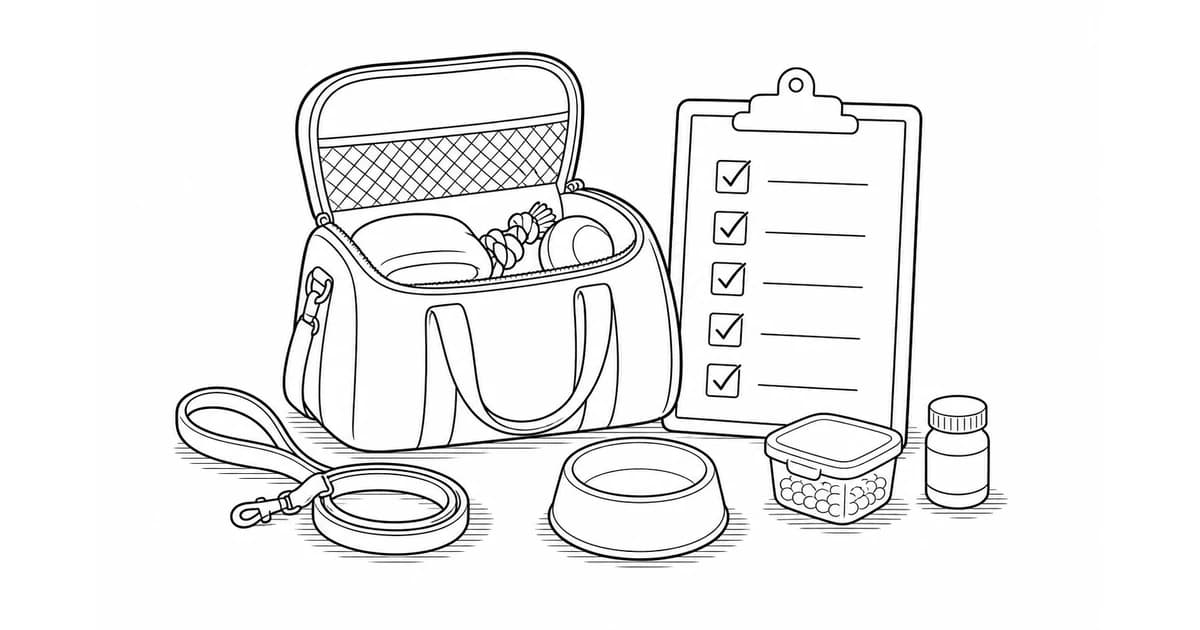
Plan for the first few weeks
Even the right dog will need time to adjust.
When a dog first comes home, they may be nervous, quiet, clingy, restless, or unsure. That does not mean the adoption was a mistake. It often means they are still learning that your home is safe.
During the first few weeks, keep things calm and predictable.
Give your dog:
- A quiet place to rest
- A consistent feeding routine
- Gentle walks
- Time to decompress
- Clear boundaries
- Positive reinforcement
- Patience as they settle in
Try not to overwhelm them with too many visitors, outings, or new experiences right away. Give them time to learn your home, your routine, and your rhythm.
Budget for more than the adoption fee
Adopting a dog comes with ongoing costs.
Before bringing a dog home, make sure you are prepared for:
- Food and treats
- Vet visits
- Vaccines and preventatives
- Spay or neuter costs if not already done
- Grooming
- Training
- Toys and enrichment
- Dog walking or pet sitting
- Emergency care
- Pet insurance or a savings fund
Planning ahead helps you avoid surprises and ensures your dog gets the care they need.
Make sure you have support
Dog care is easier when you have support around you.
There may be days when you work late, travel, have appointments, or need help keeping your dog’s routine consistent. Before adopting, think about who can help when life gets busy.
This could include family, friends, a dog walker, a pet sitter, a trainer, your vet, or a local pet care platform.
Having support in place can make the transition smoother for both you and your dog.
Trust the match, not just the moment
It is easy to fall in love with a dog’s photo or feel attached after one meeting. That is completely normal.
A strong adoption match should consider both your heart and your lifestyle. The right dog for you is one whose needs you can meet with care, patience, and consistency.
If something does not feel like the right fit, it is okay to keep looking. Choosing carefully is not unkind. It helps make sure both you and the dog have the best chance at a successful adoption.
Final thoughts
Adopting the right dog is not about finding a perfect pet. It is about finding a dog whose personality, needs, and routine fit well with your life.
When you take the time to understand a dog’s energy level, age, behaviour, training needs, grooming needs, and comfort level, you are more likely to build a strong and lasting bond.
At Hello Marshy, we know every dog has their own personality, routine, and care needs. Whether you are bringing home a newly adopted dog or caring for a long-time companion, having reliable support can make pet parenthood easier.
Find trusted pet care near you.
Search sitters