Toy play may seem simple, but for dogs, it can be an important part of a happy, healthy, and balanced life. The right toys do more than keep your dog busy. They can help your dog stay active, use their brain, build confidence, release stress, and enjoy quality time with the people caring for them.
For many dogs, play is one of the ways they explore the world. A toy gives them something to chew, chase, tug, sniff, carry, or solve. These small moments of play can help meet your dog's natural needs and make their day feel more fulfilling.
At Hello Marshy, we know pet parents want their dogs to feel safe, loved, and cared for, whether they are at home, staying with a sitter, or spending the day with someone new. Toy play can be a simple but meaningful part of that care.
Why toy play matters for dogs
A dog's routine is not just about meals, walks, and naps. Dogs also need enrichment, which means activities that keep their mind and body engaged.
When dogs do not get enough stimulation, they may start to find their own ways to release energy. Sometimes that looks like chewing furniture, barking more than usual, digging, pacing, or constantly looking for attention. These behaviours are often not about being "bad." Many times, they are signs that a dog needs more to do.
Toy play gives dogs a healthy outlet. It gives them something positive to focus on and helps them use their energy in a way that feels natural.
A few minutes of play can support your dog's mental stimulation, physical activity, focus, confidence, and overall routine. It can also strengthen the bond between your dog and the person playing with them.
The best part is that playtime does not need to be complicated. Even 10 to 15 minutes of focused play can make a dog feel happier, calmer, and more settled.
Understanding your dog's play style
Every dog has their own way of playing. Some dogs love to run after a ball. Others prefer tugging, chewing, sniffing, or carrying around a soft toy. Some dogs want exciting, active play, while others enjoy calmer enrichment.
Paying attention to your dog's play style can help you choose toys that are more enjoyable and safer for them. A high-energy dog may love fetch or tug, while a more gentle dog may prefer a plush toy, chew toy, or puzzle game.
There is no one perfect toy for every dog. The right toy depends on your dog's size, age, personality, chewing habits, and energy level.
Chew toys
Chewing is a normal and natural behaviour for dogs. Puppies often chew while they are teething, but adult dogs chew too. For many dogs, chewing can be calming. It gives them something to focus on and can help them relax after a walk or during quiet time.
A good chew toy can also help redirect your dog away from shoes, furniture, or other things around the house. Instead of trying to stop chewing completely, it is usually more helpful to give your dog a safe and appropriate way to do it.
When choosing a chew toy, make sure it is the right size and strength for your dog. If a toy starts to crack, break, or fall apart, it is usually time to replace it.
Puzzle toys and treat toys
Some dogs love a challenge, and puzzle toys are a great way to make playtime more mentally stimulating. These toys encourage your dog to sniff, paw, nudge, and problem-solve to get a treat or reward.
Puzzle toys can be especially helpful on rainy days, during quiet indoor time, or when your dog needs something to do while you are busy nearby. They are also a nice option for dogs who eat too quickly, because they can slow things down and turn snack time into an activity.
Even a simple treat-dispensing toy can make your dog's day feel more interesting.
Tug toys
Tug can be a fun and interactive way to bond with your dog. Many dogs enjoy tug because it feels exciting and social. It gives them a chance to play directly with you while using their energy in a focused way.
Tug can also be a good opportunity to practice simple cues like "drop it," "take it," and "wait." When the game stays calm and controlled, it can help your dog build focus and impulse control.
If your dog gets too excited during tug, take a short break and let them reset. Play should feel fun and engaging, not overwhelming.
Fetch toys
For dogs who love to run and chase, fetch can be a great way to burn energy. Balls, frisbees, and soft fetch toys can make outdoor play more active and exciting.
Not every dog loves fetch, and that is completely okay. Some dogs would rather sniff around, tug, chew, or solve a puzzle. The goal is not to force a certain type of play, but to find what your dog naturally enjoys.
If your dog does enjoy fetch, keep sessions short and watch for signs that they are getting tired. Dogs can overdo it quickly when they are excited, especially in warm weather.
Plush toys
Plush toys can be comforting for many dogs. Some dogs like to carry them around, sleep beside them, or gently mouth them during calm play. For these dogs, a plush toy can feel more like a comfort item than an activity toy.
Plush toys are usually best for gentle players. If your dog likes to rip toys apart, plush toys should only be used with supervision.
Once a plush toy is torn, it is best to remove it. Stuffing, squeakers, and loose pieces can become choking hazards.
Squeaky toys
Squeaky toys can make playtime feel more exciting because the sound grabs your dog's attention. Some dogs love the surprise of the squeak and stay engaged longer because of it.
For other dogs, squeaky toys can become too exciting. Some may become focused on trying to remove the squeaker, which can make the toy unsafe if pieces break off.
If your dog tends to destroy toys, squeaky toys are best used during supervised play.
Choosing toys that feel right for your dog
Choosing the right toy becomes easier when you think about your dog's habits. Does your dog like to chew, chase, tug, sniff, cuddle, or tear apart soft toys? Their natural behaviour can guide you toward toys they will actually enjoy.
Safety is just as important as fun. A toy should be the right size for your dog and should not have small pieces they can easily swallow. It should also match your dog's chewing strength.
A toy that works well for one dog may not be right for another. It can take some trial and error to learn what your dog loves most.
Keeping playtime fresh
Dogs can get bored when the same toys are always available. One easy way to keep things interesting is toy rotation.
Instead of leaving every toy out all the time, choose a few toys for the week and put the rest away. After a few days, switch them. This can make older toys feel new again without needing to constantly buy more.
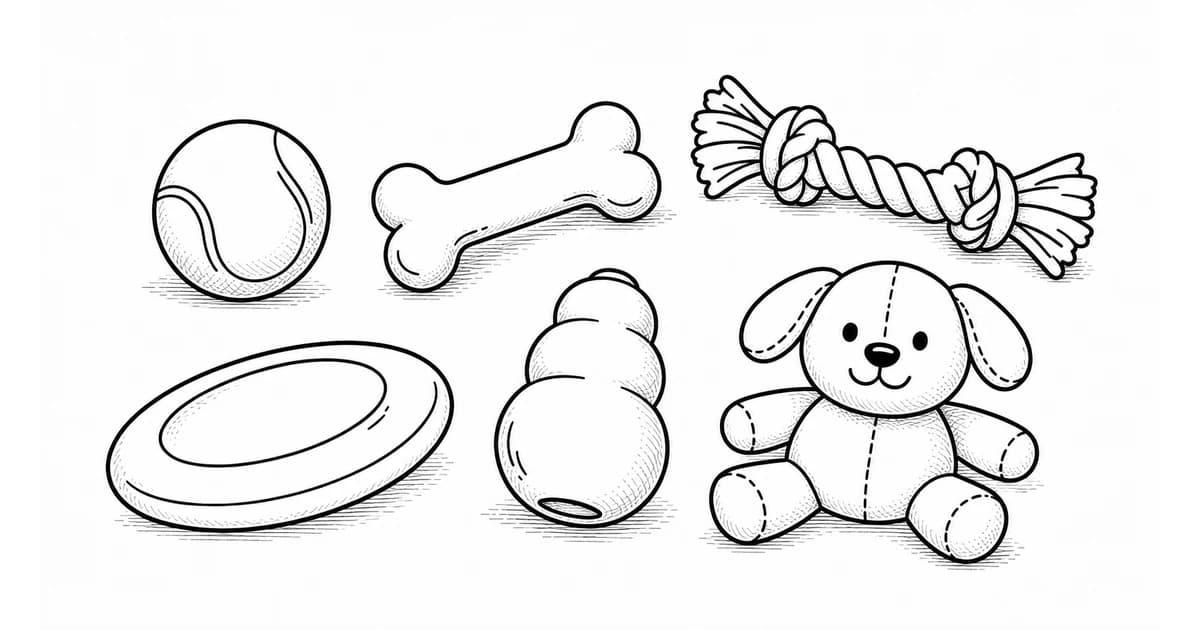
A simple mix could include one chew toy, one puzzle toy, one plush toy, and one toy for tug or fetch. This gives your dog different kinds of play throughout the week, from comfort to activity to mental enrichment.
How toy play can help with boredom
Toys can be especially helpful when your dog needs to spend short periods alone or when you are busy at home. A safe chew toy or puzzle toy gives your dog something positive to focus on and can make quiet time feel calmer.
Of course, toys do not replace walks, companionship, or training. They are one helpful part of your dog's overall routine.
For dogs who struggle with being alone, it is best to start slowly. Offer the toy while you are still nearby so your dog can build a positive association with it before using it during alone time.
Bringing toys to a dog sitter
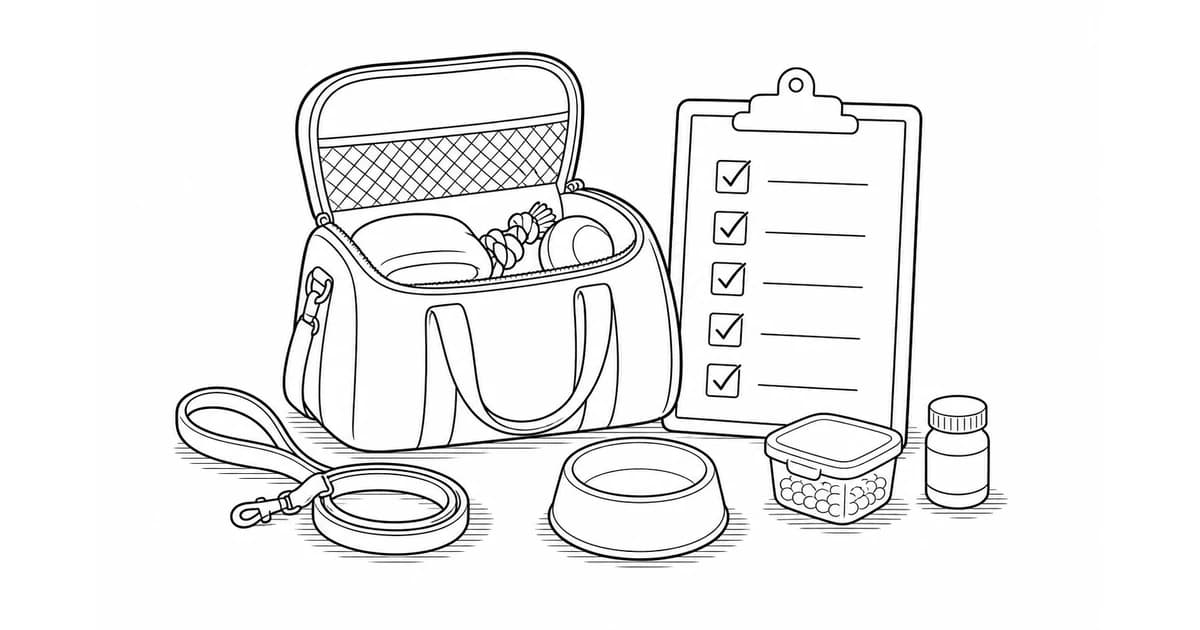
If your dog is staying with a sitter, familiar toys can help the experience feel more comfortable. A favourite toy from home can bring a sense of routine, comfort, and security.
It is also helpful to tell your sitter how your dog likes to play. Some dogs love tug. Some prefer fetch. Others need supervised play because they chew or destroy toys quickly. Sharing these details helps the sitter create a safer and more enjoyable experience for your dog.
Before a sitting booking, it can help to share your dog's favourite toys, which toys need supervision, whether your dog has any resource guarding concerns, and how your dog plays around other pets.
At Hello Marshy, pet parents can connect with local sitters and share important care details before booking. This helps sitters understand your dog's routine, preferences, and comfort needs.
Toy safety tips for dogs
Toys should make your dog's life better, but safety still matters. Even a popular dog toy can become unsafe if it is too small, damaged, or not suited to your dog's play style.
Choose toys that match your dog's size and chewing habits. Supervise new toys at first, especially if you are not sure how your dog will use them. Remove toys once they become broken, torn, or damaged.
It is also a good idea to be careful with stuffing, squeakers, strings, and small parts. If your dog is a strong chewer, soft toys may not be safe for unsupervised play.
When in doubt, it is always better to be cautious.
How much toy play does a dog need?
Every dog is different. Some dogs need lots of activity and stimulation, while others are happy with shorter and calmer play sessions.
A good routine might include a few small play moments throughout the day. Your dog might enjoy tug or fetch after a walk, a puzzle toy during snack time, and a chew toy when it is time to relax.
The goal is not to exhaust your dog. The goal is to give them healthy ways to use their energy, instincts, and curiosity.
At Hello Marshy, we believe great pet care is about more than walks and feeding. It is about comfort, routine, enrichment, and helping pets feel safe while their humans are away.
Find trusted pet care near you.
Search Sitters