Leaving your dog with a sitter for the first time can feel like a big step. Whether it is a weekend away or a longer trip, a little preparation can make the experience smoother for both you and your dog.
The good news is that a successful boarding stay often comes down to the small things you do before drop off. A clear handoff, familiar items from home, and a sitter who understands your dog's routine can make it much easier for your dog to settle in and feel comfortable.
This guide covers what to pack, what to share with your sitter, and how to help your dog feel more at ease before, during, and after a pet boarding stay.
Start with a meet and greet
We highly recommend a meet and greet with your sitter before the stay. This gives your dog a chance to meet the sitter, explore the space, and get comfortable in a low pressure way before the actual drop off.
It is also a good opportunity for you to walk through your dog's routine, ask questions, and make sure the setup feels like a good fit.
During the meet and greet, it helps to go over:
- Your dog's energy level and exercise needs
- Where they usually sleep
- Whether they use a crate, dog bed, or prefer the couch
- Food sensitivities, allergies, or medications
- How they react to strangers, other dogs, or new environments
- Any cues or commands they already know
A simple tip that can help is bringing along a favourite toy or blanket. Leaving something familiar behind for a short visit can help your dog build a positive association with the sitter's home.
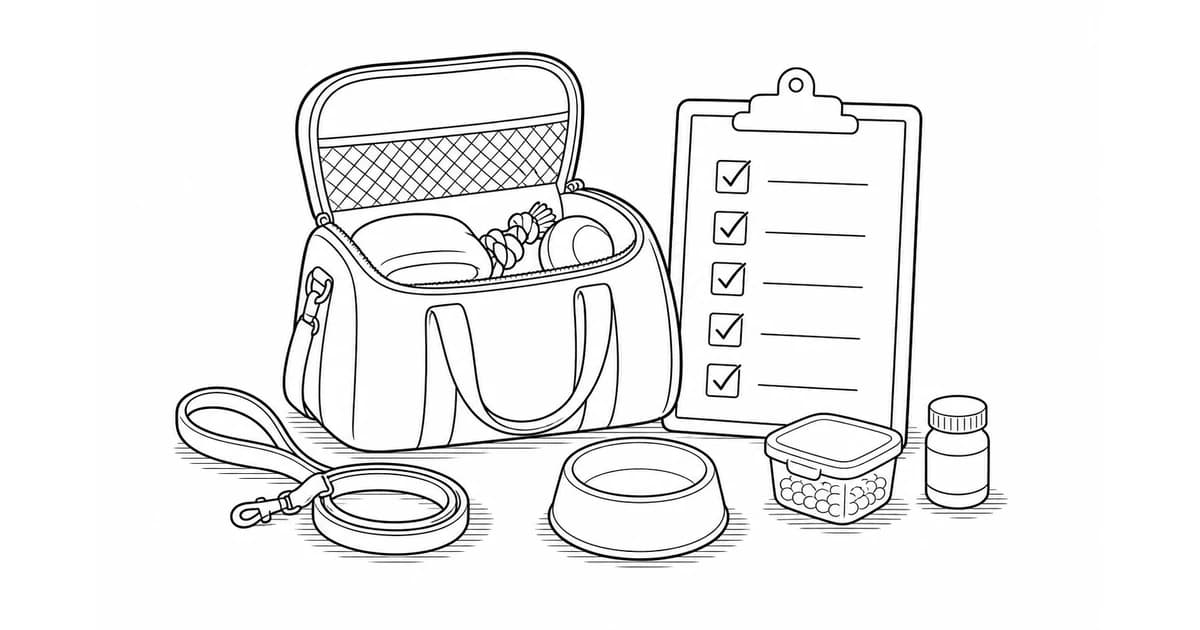
What to pack for pet boarding
Packing for your dog does not need to be complicated, but bringing the right essentials can make a big difference. Familiar items help the stay feel more comfortable, while clear instructions make it easier for the sitter to follow your routine.
Food and feeding items
Bring enough of your dog's regular food for the full stay, plus a little extra in case plans change or there is a delay.
It also helps to pack:
- Pre portioned meals or clear feeding instructions
- Treats your dog already knows and tolerates well
- Their usual bowls if they are particular about eating from familiar dishes
Health and medication items
If your dog takes medication or has health needs, make everything as clear as possible for the sitter.
Pack:
- All current medications in original packaging
- Written instructions for dosage and timing
- Your veterinarian's name, number, and address
Comfort items from home
A few familiar items can help your dog settle in more quickly.
Consider packing:
- Their regular bed or favourite blanket
- One or two favourite toys
- A worn shirt or pillowcase with your scent if your dog gets anxious
- Their collar, harness, leash, and ID tag
Outdoor and clean up items
Depending on the weather and your dog's routine, it is also helpful to bring:
- Waste bags
- A towel for muddy paws
- A jacket or booties if needed
- Wipes or a grooming brush for in between cleanups
What to tell your sitter before the stay
Your sitter does not need a long document, but they do need the right details. A clear, simple summary is usually best.
Make sure to share:
| Topic | What to share |
|---|---|
| Daily routine | Your dog's wake up time, meal times, walk schedule, and bedtime. |
| Feeding instructions | How much they eat, when they eat, what treats are okay, and anything they should avoid. |
| Exercise needs | How much exercise they usually get, how long they like to walk, and what kind of play they enjoy. |
| House habits | Whether they are allowed on furniture, where they sleep, and whether they use a crate. |
| Behaviour notes | How they react to strangers, other pets, loud noises, doorbells, or being left alone. |
| Health details | Any medications, allergies, sensitive areas, past injuries, or other health concerns. |
| Bathroom routine | How often they need to go out, signs they give when they need a break, and what to do if there is an accident. |
| Emergency contacts | Your phone number, a backup contact, and your vet's information. |
The day before drop off
The day before boarding, try to keep things as normal and calm as possible. Dogs pick up on changes in routine and energy, so a relaxed day can help set the tone for an easier transition.
A few things to do the day before:
- Double check food and medication
- Confirm drop off and pick up times with your sitter
- Make sure ID tags have your current phone number
- Pack comfort items last so they still smell like home
- Give your dog time to wind down in the evening
A walk or some playtime earlier in the day can also help burn off extra energy and make the next day feel less overwhelming.
Keep drop off calm and simple
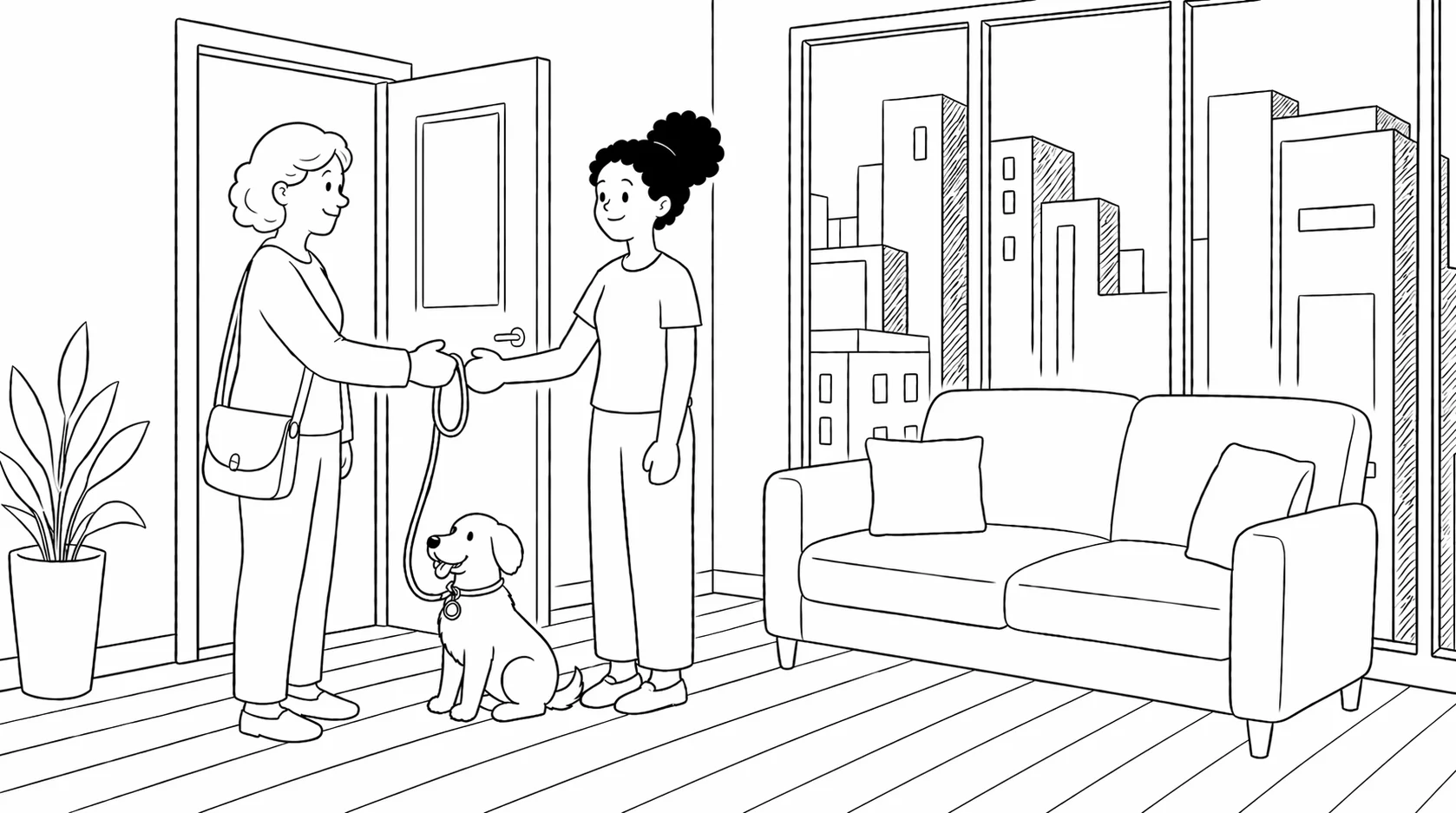
When it is time for drop off, try to keep the handoff short and relaxed. Dogs often take their cues from you, so a calm goodbye is usually more reassuring than a long emotional one.
Walk in, share any last details, hand over your dog's things, and leave with confidence. Most dogs settle more easily once the new routine begins and they are no longer waiting at the door.
What to expect during the boarding stay
It is normal for dogs to need a little time to adjust to a new environment. Some settle in right away, while others may take a day or two to fully relax.
During the first part of the stay, it is common for dogs to:
- Eat a little less than usual
- Sleep more
- Seem a bit quieter at first
A good sitter will usually send updates, photos, or short videos so you can see how your dog is doing. If you prefer more or fewer updates, it is a good idea to mention that ahead of time.
You should ask your sitter to keep a closer eye on things if your dog:
- Refuses food or water for more than 24 hours
- Has vomiting or diarrhea
- Seems unusually stiff, shaky, or uncomfortable
- Shows a major change in behaviour that does not improve after the first day
Picking your dog up after boarding
When you pick your dog up, ask your sitter how the stay went.
It is normal for your dog to be tired once they get home. A quiet evening, extra rest, and getting back into their normal routine is often the best way to help them settle back in.
If anything could have gone better, honest feedback can be helpful too. Small changes like adjusting meal times, adding more exercise, or choosing a different sleep setup can make the next stay even smoother.
Common questions about pet boarding
How far in advance should I book pet boarding?
For regular weekends, booking a couple of weeks ahead usually gives you good options. For holidays, long weekends, and busy travel periods, it is best to book at least a month in advance since popular sitters can fill up quickly.
Is pet boarding or housesitting better for my dog?
That depends on your dog and how long you will be away. Boarding is often a better fit for overnight trips or longer stays when you want your dog to have more consistent company. Housesitting can work well if your dog prefers to stay in their own home and may have anxiety.
What if my dog has never stayed away from home before?
A meet and greet and a short trial stay can help ease your dog into the experience. Many dogs adjust better than owners expect, especially when their sitter follows their usual routine and they have familiar items from home.
What happens in an emergency during a boarding stay?
Before the stay, make sure your sitter has your vet's information and a backup emergency contact. If something feels off, a good sitter should contact you right away. For added peace of mind, eligible bookings may also have the option to add Marshy Cares at checkout.
Final thoughts
Preparing your dog for pet boarding does not have to be overwhelming. A little planning goes a long way. When your sitter has the right information and your dog has familiar comforts from home, the stay is much more likely to feel smooth, safe, and stress free.
The more prepared you are before drop off, the easier it is for your dog to settle in and the easier it is for you to leave knowing they are in good hands.
Find trusted pet care near you.
Search Sitters